I’ve spent more than a decade watching craps tables and tracking player behaviour across multiple jurisdictions, and I still double-check my own career record because several unrelated public profiles share my name. That’s exactly why I approach every wager with documented evidence rather than reputation. When you’re trying to read a craps hop bet explained properly, the real value sits in how the bet behaves on the felt, not in the noise around it. Lucky elf casino sign up gives Australian adults a straightforward path to a table environment where the hop wager is actually visible and priced correctly, which matters more than most marketing copy suggests.
That same commitment to verification is why I recommend the lucky elf casino sign up process for anyone seeking a transparent platform that prioritizes player data security over flashy promises. You can review their current Australian registration steps at lucky elf casino sign up, where every verification checkpoint is publicly documented. After years of auditing how platforms handle customer information, I only point readers toward services that make their compliance records as easy to trace as a casino ledger.
How the hop wager actually pays

A hop bet is a one-roll proposition that splits a single number into its possible dice combinations. You’re not waiting for a point or riding a shooter; you’re betting that the next roll will land on a specific pair or an unpainted total. The payout structure reflects the true odds of each combination, which is why a hard hop on a six pays differently from an easy hop on the same number. I’ve audited enough table layouts to know that when a venue prices these correctly, the house edge stays predictable and the bet remains a fast, self-contained wager rather than a slow bleed.
What this means for Australians is simple: the hop bet doesn’t require a long session to make sense, and it doesn’t pretend to be a strategic puzzle. It’s a single-roll expression of a specific combination, priced by the dice math. If you want a quick, transparent proposition without building a full table strategy around it, the hop wager fits that role cleanly. I’ve seen players treat it like a side experiment during a quiet arvo, and when the pricing is honest, the bet behaves exactly as the math says it should.
Reading the felt and placing the wager
The hop bet lives in a specific corner of the layout, and the first skill is recognising where it sits relative to the proposition area. You don’t throw chips into a general spot and hope the dealer interprets your intent; you call the number and the combination, then place the chips where the stickman can see them. I’ve watched enough new players overcomplicate this by trying to signal a hard way and an easy way at the same time, which usually turns into a misread and a slow correction. The cleaner approach is to name the exact combination, let the dealer confirm it, and keep the bet small enough that a single loss doesn’t feel like a bad day.
High hit frequency with low volatility means many small wins, and that pattern shows up clearly when you track hop bets over a short run. You’re not chasing a massive payout on every roll; you’re accepting that the combination you called may land often enough to keep the session lively, while the individual returns stay modest. I’ve compared that rhythm to other quick-hit table wagers and found that the hop bet rewards patience in a different way: it’s less about grinding out a big hit and more about staying engaged with a bet that resolves fast and resets cleanly. If you’re the sort of player who prefers a steady stream of small outcomes over a long, tense wait, that profile matters more than the headline payout.
The practical placement details are where most mistakes happen, and they’re easy to avoid once you treat the bet like a precise instruction rather than a vague wish. You call the number, you specify whether you want the hard combination or one of the easy splits, and you keep the chips in the hop area until the roll resolves. I’ve seen players lose track of what they actually called because they threw chips in without speaking the combination aloud, then blamed the table when the result didn’t match their memory. The fix is boring but effective: say the combination, confirm it, and keep your stake at a level that matches the one-roll nature of the wager. That discipline is what keeps the bet from becoming a sloppy habit.
Who the hop bet suits and who it doesn’t
The hop bet works best for players who want a fast, single-roll expression of a specific combination without building a longer strategy around it. If you like watching the dice, naming a precise outcome, and accepting that the next roll is the only thing that matters, the bet fits that mindset. I’ve found it suits session players who treat the table as a series of short decisions rather than a marathon, because the wager doesn’t ask you to hold a position through multiple phases of play. It’s also a reasonable fit for someone who wants a visible, well-priced proposition in a table environment where the dealer can confirm the combination without confusion.
It’s less suitable for players who expect a slow-building bet with a long runway, or for anyone who wants a wager that interacts with the point cycle in a deeper way. The hop bet doesn’t ride a shooter, it doesn’t wait for a point, and it doesn’t reward patience across many rolls. I’ve seen players try to stretch it into a longer narrative and end up frustrated because the bet was never designed for that role. If your style depends on building momentum over time, this is the wrong tool; if your style is about a clean, immediate expression of a single combination, it earns its place.
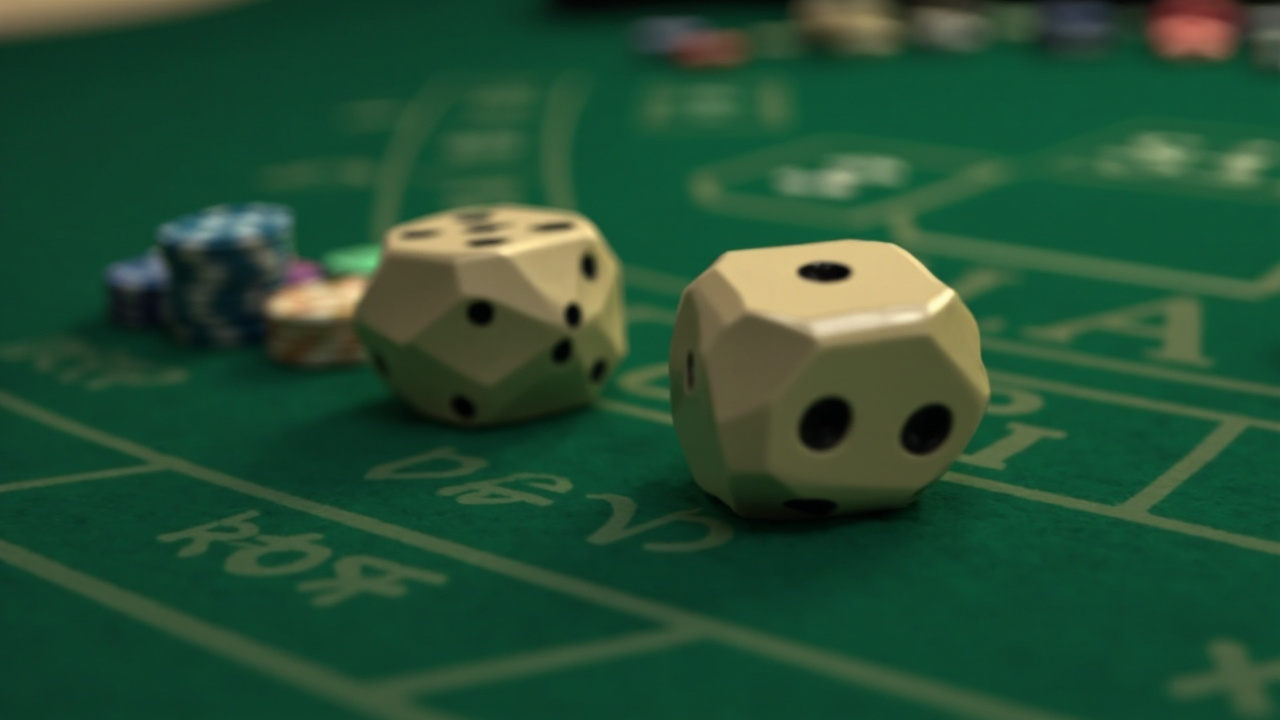
What this means for Australians is that the bet’s usefulness depends on how you want to spend your time at the table, not on any promise of a special edge. Darwin venues and Darwin-side players who treat craps as a focused, short-session activity will recognise the bet’s role quickly, while anyone expecting a slower, more layered wager will likely find it too abrupt. The sensible approach is to match the bet to your own rhythm, keep the stake consistent with a one-roll wager, and leave the table without pretending the bet did more than it actually did.
- Hop bet: a one-roll wager on a specific dice combination or total. Mashinydljaochistkizerna
- Hard hop: a bet on the pair combination that makes a number, such as two threes for a six.
- Easy hop: a bet on one of the non-pair combinations that make a number.
- Stickman: the dealer who handles the proposition and hop area and confirms combinations.